
Selecting the Right Curtains and Blinds to Transform Any Room
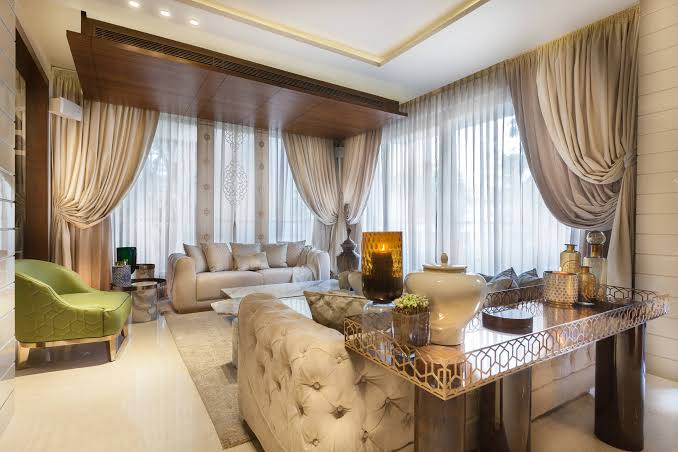
Window coverings do more than dress the glass. They influence glare, sleep quality, indoor temperature, privacy, and the way furniture reads in a room. A good selection starts with use, then moves to fabric, lining, fit, and control method. That order prevents costly mistakes. With careful choices, curtains and blinds can make a room feel calmer, cleaner, and better suited to daily life.
Start With Room Goals
Each room places different demands on light and privacy. Bedrooms often need darkness and acoustic softness, while living areas need glare control without losing outlook. In local homes, curtains and blinds Melbourne selections should consider sun exposure, street visibility, glass size, and interior finishes, so the final choice supports comfort, function, and proportion.
Measure Light First
Light should be assessed before colour or pattern. A west-facing window may overheat late in the day, while a south-facing room can feel dim. Sheer fabric reduces glare while keeping daylight gentle. Blockout lining helps protect sleep cycles. Sunscreen blinds suit study areas where screen visibility and outside views both matter.
Match Privacy Needs
Privacy is rarely constant throughout the day. A front room may feel open at noon, then exposed after the lamps are turned on. Bedrooms and bathrooms need stronger screening once daylight drops. Sheers paired with blockout blinds give flexible coverage. In shared living spaces, translucent fabric can reduce exposure while keeping the room bright.
Choose Practical Fabrics
Fabric affects drape, cleaning, fading, and thermal performance. Linen blends bring a relaxed texture, though some crease naturally. Polyester resists sun damage better in harsh conditions. Velvet adds density and can reduce echo in bedrooms or formal areas. Wet zones need moisture-tolerant materials. Kitchens, laundries, and bathrooms often suit blinds better than long fabric panels.
Consider Room Size
Scale can change how a room feels. Ceiling-mounted curtains draw the eye upward and make low walls seem taller. Wider tracks help narrow windows look more generous. Small rooms often benefit from slim blinds fitted inside the reveal. Larger spaces can carry deeper folds and heavier cloth. Correct sizing keeps the treatment balanced rather than bulky.
Colour Sets the Mood
Colour affects visual temperature and perceived space. Pale neutrals blend into walls and keep attention on furniture or views. Deep tones create a strong frame around glass. Muted blue, sage, and warm grey suit restful rooms. Pattern works best where the surrounding surfaces are plain. Busy interiors usually need quieter coverings to avoid visual strain.
Use Layers Wisely
Layering works best when each layer has a job. Sheers can soften daylight and provide daytime screening. Blockout curtains then handle night privacy and sleep support. Roller blinds behind drapes create a neat, practical combination. Bedrooms, nurseries, and media rooms often benefit most from dual coverage. Extra layers should add function, not clutter.
Pick the Right Control
Control style affects daily use and safety. Chains are familiar, but cordless systems reduce hanging loops and visual noise. Motorised blinds suit tall glass, wide spans, and hard-to-reach windows. Timers can lower coverings before the afternoon heat builds. Homes with children need compliant fittings. Easy operation matters because difficult treatments often stay unused.
Think About Energy Use
Well-chosen window coverings can reduce heat gain in summer and heat loss during winter. Lined curtains create a still air pocket near the glass. Cellular blinds trap air within their structured channels. These effects can ease the demand on heating and cooling. Orientation, glazing type, and room use should guide any energy-focused decision.
Keep Cleaning Simple
Maintenance should fit the household, not the other way around. Roller and Venetian blinds can be wiped regularly, making them suitable for kitchens and busy family rooms. Fabric curtains may need vacuuming, steaming, or periodic professional care. Mid-tone colours hide dust better than stark white or black. Pets often call for tighter weaves and smoother finishes.
Coordinate With Hardware
Hardware shapes both appearance and performance. Ceiling tracks give a clean architectural line. Decorative rods suit classic rooms, especially where finials form part of the style. Pelmets can hide fittings and improve insulation at the head of a window. Metal finishes should match those of handles, lights, or furniture legs. Solid installation prevents sagging and uneven movement.
Budget for Longevity
Low-cost products can work for temporary spaces, but high-use rooms need stronger mechanisms and better lining. Sun-facing windows deserve fabric that resists fading. Smooth tracks reduce strain during daily opening and closing. Spending more on key rooms often gives better value than treating every window equally. A staged plan allows careful upgrades without waste.
Conclusion
The right curtains and blinds come from informed choices, not guesswork. Each room needs its own balance of light control, privacy, insulation, maintenance, and visual weight. Accurate measurements, suitable materials, safe controls, and considered colour choices create results that feel natural every day. With a clear plan, window treatments can improve comfort, protect interiors, and give each space a more settled, finished character.



Leave a Reply