
How to Choose Outdoor Tiles That Will Last Through Every Season
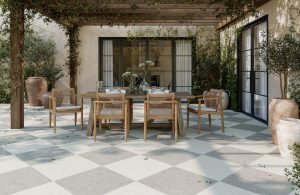
Outdoor tiles work harder than most indoor finishes. They are exposed to rain, heat, wet shoes, soil, furniture legs, pool water, and cleaning products across the year. Grip, density, thickness, colour, drainage, and installation method all affect performance. With careful selection, patios, paths, balconies, and alfresco areas can remain safe, easy to clean, and visually settled through seasonal changes.
Start With Local Weather
Melbourne weather tests exterior surfaces with sudden rain, cool nights, sharp sun, and long dry spells. Before comparing options for outdoor tiles in Melbourne, homeowners should map exposure, shade, drainage, and splash zones. The right product must handle moisture, heat, grit, and foot movement without losing grip, staining around garden edges, or becoming difficult to wash.
Pick Dense Materials
Porcelain suits many outdoor floors because it has low water absorption and strong surface wear. That is important in areas near barbecues, planters, and dining settings, where spills and soil are common. Stone can perform well, though sealing and ongoing care are usually required. The selection of materials should align with the specific environment, the level of maintenance one is willing to undertake, and the anticipated foot traffic.
Check Slip Ratings
Grip is a critical consideration, particularly in areas adjacent to pools, steps, ramps, and shaded paths. A tile that feels pleasant indoors may become unsafe after rain or morning dew. Textured finishes usually provide better traction than polished faces. Samples should be tested with wet footwear before being finalised.
Choose Enough Thickness
Outdoor flooring needs strength beneath the visible surface. Many porcelain pavers used outside are about 20 millimetres thick, which helps with furniture loads and regular foot traffic. Thinner tiles may suit walls or sheltered vertical areas. Floors need a stable base, suitable bedding, and even support across each piece.
Match Colour to the Use
Colour affects comfort as much as appearance. Dark tiles can absorb heat in open sun, while very pale finishes may show soil near lawns and garden beds. Mid-tone greys, stone shades, and muted neutrals often balance glare, warmth, and cleaning. The final colour should complement the brickwork, roofing, fencing, and interior flooring.
Think About Texture
Surface texture affects both safety and maintenance. Strong texture improves traction, but deep grooves can trap dust, pollen, and barbecue residue. A lighter profile often suits patios or outdoor kitchens. Higher-grip finishes are essential near pool edges, steps, and sloped paths. Samples need to be viewed outdoors, where daylight reveals details more accurately.
Plan Drainage Early
Water control decides whether an outdoor floor ages well. Tiles must be installed with an appropriate fall, along with proper drains and joint spacing, to direct water away from doors, walls, and low corners. Standing moisture can leave marks, loosen bedding, and encourage moss growth. Levels should be assessed before installation.
Use the Right Adhesive
Exterior adhesive and grout must suit weather exposure, substrate movement, and tile type. Flexible products are beneficial as they accommodate minor shifts caused by heat and moisture. Joint colour also deserves consideration, since light grout can mark quickly near soil, leaves, or cooking areas. Correct product pairing prevents avoidable cracking, staining, and hollow spots.
Compare Maintenance Needs
Low-maintenance does not mean no care is required. Regular sweeping removes grit that can wear down the surface under shoes and chairs. Porcelain usually cleans well with mild products, while some stone needs pH-neutral solutions and resealing. Seasonal checks help preserve grip, colour, and joint condition without turning upkeep into heavy work.
Budget Beyond Tiles
The tile itself is only part of the cost. Preparation, levelling, drainage, bedding, adhesive, grout, trims, cuts, sealing, and labour can increase the total cost. A cheaper product may become expensive if it needs extra care or presents challenges during installation. Detailed quotes make comparisons clearer before work begins.
Conclusion
Outdoor tiles last longer when selection is guided by factors such as climate, safety, and construction details. Appearance still matters, but performance carries the floor through wet days, hot afternoons, and routine cleaning. Dense materials, reliable grip, correct thickness, planned drainage, and suitable installation products all protect the result. With careful comparison and skilled installation, an outdoor surface can remain comfortable, practical, and visually appealing for many seasons.

Leave a Reply