
Essential Belt Conveyor Maintenance Tips for Long-Term Performance
Introduction
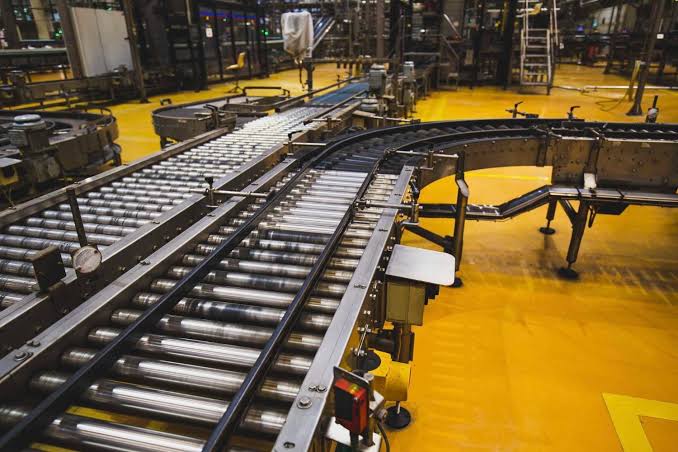
A belt conveyor can run reliably for years when routine care catches wear before it interrupts production. Small faults, such as a drifting belt or blocked return roller, can damage components and disrupt material flow. A practical maintenance plan combines visual checks, safe cleaning, correct tension, and clear service records. Inspection intervals depend on operating hours, load, and environment. Consistent attention helps teams protect equipment, maintain product handling, and schedule repairs before minor problems become costly failures.
Set a Consistent Inspection Routine
A useful maintenance routine starts with the conveyor’s operating conditions, including shift length, material type, and exposure to dust or moisture. Suppliers of belt conveyors in Melbourne work with varied applications, from parcel handling to food processing. Those differences affect cleaning needs, belt materials, and inspection frequency. A written schedule gives operators a consistent reference, while service guidance from the equipment manufacturer helps set suitable checks for each system.
Inspect Before Operation
A brief visual check before each shift can reveal loose guards, unusual belt movement, damaged edges, or material lodged near rollers. Operators should look along the full accessible run, including loading and discharge points. Any exposed wiring, missing fastener, or abnormal noise requires attention before continued use. Moving parts must never be inspected by hand while equipment is running. Safe isolation procedures protect staff during closer examination or repair.
Remove Material Build-Up
Accumulated product can increase friction, affect tracking, and place extra strain on the drive. Cleaning frequency depends on what the system carries and how quickly residue gathers. Food-handling lines may require approved cleaning methods and suitable belt materials. Dry debris can often be removed with a brush or vacuum, while moisture-sensitive components need careful treatment. Cleaning tools and chemicals should match manufacturer instructions to avoid surface damage or contamination.
Check Belt Tracking
A belt that drifts to one side may rub against the frame, fray at the edges, or spill product. During a controlled run, operators can observe its position along the full conveyor path. Persistent movement may point to uneven loading, misaligned rollers, or frame distortion. Tracking adjustments should follow the supplier’s procedure, with small changes followed by observation. Guards must remain in place, and staff should keep clear of nip points.
Maintain Correct Tension
Too little tension can cause belt slip, while excessive force can wear bearings and stretch the belt. The correct setting varies with belt material, length, load, and drive arrangement. Teams should use the specified adjustment method rather than tightening by feel. After any change, they can check tracking and confirm stable movement under normal operating conditions. A qualified technician should assess repeated slip, unusual stretching, or tension that cannot be maintained.
Examine Rollers and Bearings
Rollers should turn freely and sit securely in their supports. A seized unit can create heat, belt wear, and unnecessary motor demand. During scheduled checks, staff can listen for grinding or clicking and look for wobble, corrosion, or product build-up. Bearing lubrication must follow the equipment schedule, since excess grease can attract debris or reach sensitive product areas. Damaged rollers should be replaced promptly with parts suited to the conveyor.
Review Loads and Speeds
Uneven loading can pull a belt off-centre and increase wear at transfer points. Operators should distribute products across the belt and avoid loads beyond the system’s rated capacity. Speed settings also matter: variable-speed drives can support controlled feeding, but changes should stay within approved limits. Product surges, frequent starts, or abrupt stops may stress the belt and drive. A process review can identify whether loading practices match the conveyor’s specification.
Protect the Operating Environment
Dust, heat, moisture, and corrosive substances can shorten component life. Guards, covers, and suitable cleaning practices help reduce exposure, while drainage prevents standing water near equipment. Stainless steel frames and food-grade belts may suit hygiene-critical operations, but their care requirements still depend on the manufacturer’s guidance. Temperature changes can also affect belt flexibility and tracking. Staff should report environmental changes that coincide with new noise, slippage, or surface wear.
Keep Clear Service Records
A maintenance log makes recurring problems easier to identify. Each entry can record the date, operating hours, observed fault, adjustment, replacement part, and person completing the work. Measurements such as belt speed or motor temperature can provide useful comparisons when recorded consistently. These notes help maintenance teams distinguish a one-off issue from a developing pattern. Scheduled professional servicing can then focus on high-wear areas and components approaching their expected service life.
Conclusion
Long-term conveyor performance depends on steady checks and prompt, safe action. Routine inspections, clean transfer points, correct tension, and free-running rollers help limit avoidable wear. Suitable loading practices and protection from harsh conditions support reliable material movement. Clear service records give teams evidence for planning repairs and reviewing recurring faults. Maintenance intervals should reflect operating demands and manufacturer advice. With these steps in place, businesses can reduce interruptions, protect equipment, and keep production moving with greater confidence.



Leave a Reply