
How to Shop for a Leather Wallet That Combines Style and Durability
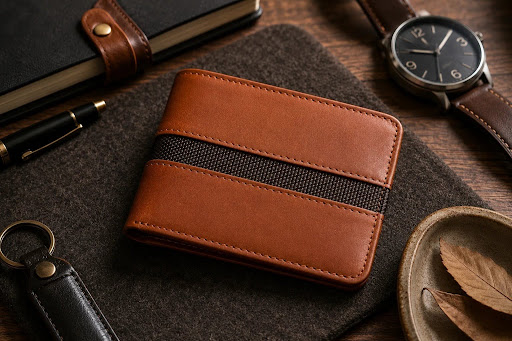
Introduction
A leather wallet earns its place through daily use, so appearance alone cannot guide a sound purchase. The right choice should hold essential cards, protect cash, and fit a regular bag or pocket without strain. Shoppers can assess dimensions, material, stitching, closures, and care needs before comparing prices. A short checklist turns browsing into a practical decision, helping a wallet look polished while staying useful through years of regular handling. That balance matters for gifts as well as personal use.
Begin With Daily Carry
Before comparing finishes, a shopper can define what the wallet must carry each day. Those looking to shop leather wallet in NZ can compare compact and long formats against routines such as commuting, errands, or evening outings. A useful shortlist begins with card count, cash storage, and bag space, rather than colour alone. This simple check makes style decisions more relevant.
Check the Dimensions
Measurements reveal whether a design suits its intended place. A compact format may fit a small handbag or coat pocket, while a longer style can provide more room for notes and cards. Comparing the listed width and height with an existing bag helps prevent awkward surprises. Thickness matters too, especially when a full wallet needs to close without bulging.
Count the Card Slots
A useful layout keeps frequently used cards easy to reach without adding unnecessary bulk. Shoppers can count their regular cards, then look for a modest spare capacity. Too many empty slots may encourage overfilling, while too few can lead to cards being carried elsewhere. Clear ID windows help with quick checks, and separate sections make everyday items easier to sort.
Assess the Leather
Genuine leather is listed across the collection, but appearance and feel still vary by finish and construction. A close look at product photographs can reveal surface texture, edge treatment, and colour consistency. Natural markings are common in leather and do not automatically indicate a flaw. Product descriptions should clarify material details, while seller support can answer questions photographs leave unresolved.
Inspect Seams and Edges
Even stitching and neat edges are useful signs of careful assembly. Product images can help shoppers check whether seams appear straight and secure, especially around corners and card pockets. Stress points deserve attention because repeated opening and handling place pressure on them. A tidy finish cannot guarantee years of service, but visible gaps, loose threads, or uneven edges merit closer review.
Choose a Secure Closure
A closure should keep contents in place while remaining simple to use. Zips can enclose a larger section, while snap fasteners may offer quick access to a folded design. The best option depends on what the owner carries and how often the wallet opens. Product details should explain the closure type, and photographs can show whether it aligns cleanly when fastened.
Consider RFID Protection
Some styles in the collection include RFID protection, which can be a useful feature for shoppers seeking an added layer around eligible cards. It should be treated as one factor, not a substitute for checking capacity, construction, or fit. Buyers can confirm which specific models include it, since the feature is not stated for every wallet. Clear product information supports a more confident comparison.
Match the Style to Use
Colour, shape, and finish help a wallet suit its owner’s usual accessories. Neutral tones may pair easily with several bags, while a brighter shade can make the item easier to spot. A clean, simple design often works across different settings. The choice should reflect personal taste, but practical details should remain central, since an attractive piece still needs to serve everyday habits.
Compare Price and Care
A sensible comparison includes the listed price, material details, storage layout, and expected care. The collection page shows prices up to $79.99 at the time of inspection, though listings can change. Basic care usually means keeping leather dry, avoiding harsh cleaners, and following the maker’s guidance. Buyers should also review current shipping and returns terms before placing an order.
Conclusion
A durable, stylish wallet starts with a clear view of daily needs. Checking dimensions, card capacity, leather details, seams, and closures can narrow the options without guesswork. RFID protection and colour may help distinguish suitable choices, but neither replaces a comfortable fit or practical layout. By comparing product information with real routines, shoppers can choose a piece that feels considered, looks appropriate, and earns regular use. A careful purchase supports both appearance and lasting convenience.



Leave a Reply