
How Pressure Washing Protects Your Home from Mold and Mildew
Introduction
Mold and mildew thrive where moisture lingers, shade holds dampness, and surface grime stays undisturbed. Exterior walls, patios, roofs, and paths often collect the organic residue these growths feed on. Over time, stains deepen, materials weaken, and slip risks rise. Regular cleaning helps households keep outside areas healthier, cleaner, and easier to maintain. Pressure washing stands out because it removes stubborn buildup quickly, while helping properties stay drier and less welcoming to spores.
Why Growth Starts
Mold and mildew begin with a simple mix of water, dirt, and limited sunlight. Exterior surfaces hold pollen, leaf residue, and dust, which trap moisture after rain. Once that film settles, spores can spread across render, brick, stone, and timber. Many households ignore these early patches because they seem cosmetic. The issue often grows quietly before obvious damage appears.
Cleaning Before Damage Spreads
Routine exterior care reduces the conditions that let contamination spread from one area to another. For households dealing with damp walls, slippery paving, or dark staining, Pressure Washing in Bournemouth can help remove residue that holds moisture against surfaces. That matters because cleaner materials dry faster after rain, receive better airflow, and offer fewer places for fungal growth to settle.
Walls Stay Sounder
When mildew sits on painted render or brickwork, it can wear down appearance and surface condition. Dark patches often hold moisture close to the material for longer periods. That extra dampness may encourage cracking, flaking paint, or worn pointing. Pressure washing clears the film that keeps those areas wet. As a result, walls stay cleaner and often need less frequent repair.
Safer Paths and Patios
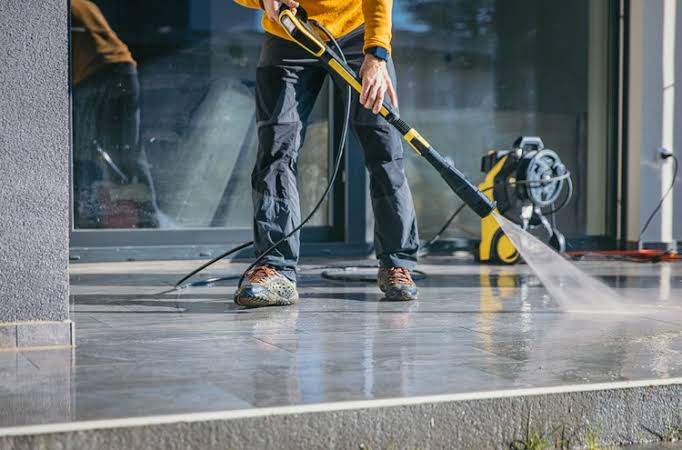
Patios and walkways often become slick before occupants notice a visual change. Algae, mold, and mildew form a thin layer that makes stone and concrete hazardous after rain. A proper wash strips away that coating and restores grip underfoot. Families, visitors, and delivery workers all benefit from safer access. Clean paving also improves the look of the whole frontage.
Roof Edges and Gutters
Spores rarely stay in one place. They collect near rooflines, soffits, fascias, and gutter edges where moisture hangs around. Dirt in those spots can hold water against painted or sealed finishes. Pressure washing, used with care on suitable materials, helps clear grime before it feeds further growth. Keeping upper areas cleaner also supports smoother drainage during wet weather.
Better Surface Life
Less Moisture Retention
A dirty exterior stays damp for longer because grime acts like a sponge. Clean surfaces shed rain more easily and dry more quickly once sunlight or airflow returns. That change matters for timber, masonry, and coated finishes. Less retained moisture means fewer opportunities for spores to settle, spread, and leave lasting marks that demand costly treatment later.
Paint and Finish Protection
Exterior finishes fail faster when mold and mildew sit underneath surface dirt. Paint may bubble, peel, or lose color where moisture remains trapped. Pressure washing removes that layer before larger issues take hold. It also prepares surfaces properly before repainting or sealing work begins. Better preparation usually means stronger adhesion and a cleaner final appearance across the property.
A Healthier Outdoor Setting
Mold outside does not always stay outside. Spores can travel through open doors, windows, and foot traffic, then settle in sheltered indoor areas. Cleaner exterior zones reduce one source of that spread. While pressure washing is not a cure for indoor damp, it supports a broader hygiene routine. That gives households a fresher setting for daily life and guests.
Timing Matters
Waiting until stains look severe often means the growth has already settled deeply into pores and joints. Seasonal cleaning helps stop buildup before it becomes stubborn. Spring and autumn are common times because moisture levels often shift then. Regular checks after wet spells also help. Early action tends to be simpler, faster, and less expensive than delayed restoration work.
Choosing the Right Approach
Strong pressure alone is not the full answer. Different materials need different settings, angles, and cleaning methods to avoid unnecessary wear. Concrete can handle more force than painted timber or older render. A careful approach removes contamination without harming the surface below. That balance is what turns pressure washing from a quick rinse into practical long-term property care.
Conclusion
Pressure washing protects homes by removing the grime, moisture traps, and organic residue that help mold and mildew spread. Cleaner walls, paths, roof edges, and finishes dry faster and stay safer for longer. That can reduce staining, lower maintenance pressure, and support a healthier outdoor setting. For households that want lasting curb appeal and fewer damp-related surface issues, regular exterior cleaning remains a smart, preventive step.



Leave a Reply