
Leaking Roof? Steps to Take Before Professional Repairs Arrive
Introduction
Water appearing indoors after rainfall signals a roof problem requiring prompt attention. A controlled response can limit staining, protect furnishings, and reduce electrical danger before a qualified tradesperson arrives. Residents should first protect people, then contain incoming moisture without climbing onto unstable surfaces. Clear observations also help the repair team locate trouble faster. Simple preparation can prevent additional harm, preserve useful evidence, and keep everyone calmer while harsh weather continues outside.
Arrange Urgent Assistance
A leaking roof can worsen quickly, especially during Auckland’s heavy rain and strong wind. People should arrange emergency roof repairs in Auckland when water spreads, ceiling material sags, or temporary measures fail. Early contact gives technicians useful details about location, timing, and severity. That information supports safer arrival planning and helps occupants avoid risky inspection attempts.
Protect People First
Everyone should move away from rooms containing dripping water, loose plaster, or bowed ceiling panels. Children, older adults, and pets need distance from affected areas. Electrical hazards deserve special attention because moisture can reach light fittings, power points, or hidden wiring. No person should touch wet switches, appliances, or cords. A qualified electrician may need to isolate electricity safely.
Contain Indoor Water
Place buckets beneath active drips, leaving space for sudden increases. Towels around each container can reduce slippery flooring and protect nearby furniture. Plastic sheeting may cover belongings, provided it does not press against a weakened ceiling. Occupants should empty full containers regularly, since overflow creates a second problem. Furniture can be moved only when floors remain stable and unobstructed.
Relieve Ceiling Pressure
A bulging ceiling often holds substantial water above its surface. People should never stand directly underneath that area. If the room is empty and the structure appears stable, a professional may later release trapped water safely. Occupants should not puncture plaster themselves. A sudden collapse can spread debris, expose wiring, and create serious injury risks without warning.
Avoid the Roof
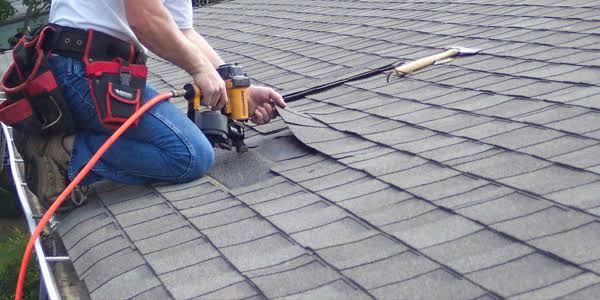
Climbing outside during rain, darkness, or wind creates a high fall risk. Wet metal, tiles, and timber become difficult to grip, while hidden damage can weaken foot placement. Residents should avoid ladders, roof access points, and upper balconies until conditions improve. A ground-level view from a doorway or window provides safer information for the attending team.
Record Visible Damage
Photographs can show where water enters, how far staining has spread, and whether materials have changed shape. Images should be taken from dry, secure positions. Written notes can record rainfall timing, dripping frequency, unusual sounds, and rooms affected. Insurance providers may request this evidence later. Receipts for emergency materials also deserve careful storage alongside policy documents.
Check Exterior Signs Safely
From ground level, residents may notice displaced tiles, damaged flashing, blocked gutters, or fallen branches. Such clues can help technicians prepare suitable equipment. People should not remove debris from a high area or approach overhead power lines. A temporary ground inspection ends immediately if lightning, strong gusts, or unstable structures create additional danger.
Limit Further Exposure
Doors and windows should remain closed during driving rain, unless ventilation is needed after conditions settle. Air movement from fans may spread moisture into unaffected rooms, so equipment should be used cautiously. Wet items require separation to discourage mould growth. Dry towels should replace saturated ones, while valuable belongings can move to a clean, elevated location.
Prepare Useful Details
The repair crew benefits from a concise report covering the property address, access instructions, affected rooms, and current weather. Residents should mention any previous patching, recent renovations, or ceiling movement. Clear directions help workers reach the right area without delay. Someone should remain available by phone, while gates, pets, and parked vehicles are managed before arrival.
Conclusion
A leaking roof demands calm, practical action rather than risky improvisation. People should protect occupants, isolate electrical hazards, catch water, and avoid climbing outside. Photos, notes, and clear messages give repair professionals valuable starting information. Once the immediate threat is controlled, residents can limit moisture spread and protect belongings until work begins. A careful response supports safer decisions, reduces secondary damage, and helps restore the home sooner.


Leave a Reply