
How Acid Etching Concrete Improves Adhesion
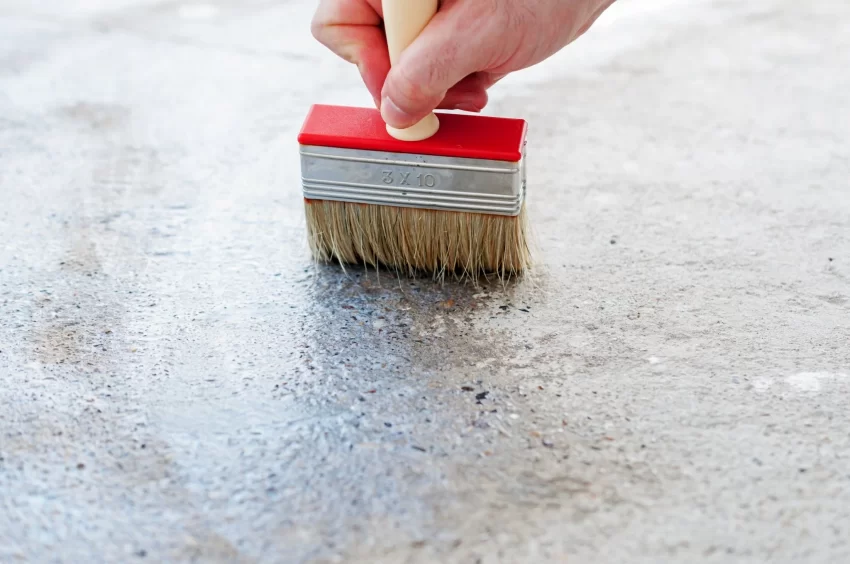
Before applying any type of coating or adhesive to the concrete surface, it is essential to ensure that the concrete is thoroughly prepared. Acid etching is one of the most common methods, and for a good reason. Surface treatments must bond well to concrete to last, and this process helps with that.
What Is Acid Etching?
An acid etch is the application of a weak acid solution to concrete. This solution interacts with the land surface, dissolving minerals and producing tiny pores. Acid etching concrete gives coatings and adhesives a better grip, providing a stronger bond between surfaces.
Why Surface Preparation Matters
Treatments are not supposed to work on a clean surface. Many times, there can be oil, sweat, or curing compounds on the surface, which can prevent adhesion. It cuts through these barriers and creates a clean slate, a granular surface to work on.
The Science Behind the Process
Concrete always has calcium compounds on its surface that react with acid. This results in carbon dioxide gas and soluble salts, which are washed away. The process results in a pitted, somewhat abrasive surface, allowing for much better adhesion.
Improved Adhesion for Coatings
Coatings such as paints, epoxies, and sealants require a textured surface to adhere effectively. This is achieved through acid-etching, which increases the surface roughness. If the surface is rough, coatings fill the minute nooks, which effectively anchor the coating to the surface, reducing the chance of peeling or flaking.
Stronger Bond for Floor Coverings
It also helps your floor coverings, such as carpets or tiles, to bond better with the underlying concrete. In this method, adhesives will create a mechanical bond with the surface. This bond provides for higher load functions and repeated cycles without slippage or lift.
Enhanced Durability Over Time
A longer-lived finish is possible due to better adhesion. Acid-etched surfaces are less likely to show wear. They stay in place, protecting the concrete surface and keeping their appearance.
Acid Etching vs Other Methods
Alternatives to acid etching are mechanical grinding and shot blasting. These techniques largely involve machines reproducing a similar textured surface. Nonetheless, acid etching is the perfect low-cost and easy alternative for many projects, especially for residential purposes.
Safety Considerations
Handling acids requires caution. It requires a ventilated space, gloves, and eye protection while applying. Post-etch rinse and remove all residues from the etching process to ensure they do not interfere with future coatings.
Environmental Impact
Eco-friendly acids and responsible disposal are now common practice. Neutralising them and disposing of the wastewater correctly will safeguard any soils and waters around us. The responsible use of acid etching maintains its effectiveness while also protecting the environment, leading to improved quality of life through better processes.
Steps for Effective Acid Etching
There is a process to successfully etch with acid. Surface preparation, such as sweeping and washing the concrete to remove debris, is the first step. After that, the acid solution is distributed uniformly over the surface. The surface is then scrubbed clean and rinsed well with water. Before applying any coat or glue, the surface needs to be fully dry.
Recognising a Properly Etched Surface
The etched surface feels uniform when touched. This texture suggests that the acid has created sufficient pores to bind well. If any of the areas appear shiny or inconsistent, they may require a second treatment.
Common Mistakes to Avoid
Surface cleaning or improper rinsing may impact results. The bond fails prematurely because of residual acid or debris. Take it step-by-step, and it will come out perfectly.
Conclusion
Acid etching is a tried and true method for preparing concrete surfaces. This process helps create firmer, stronger, and longer-lasting bonds by creating micro-pores and cleaning the surface from contamination. Acid etch is excellent for increasing the adhesion capability with proper safety and environmental practices; therefore, it is used as the preferred method.



Leave a Reply