
The Appeal of Stipple Finish Concrete for Modern Driveways
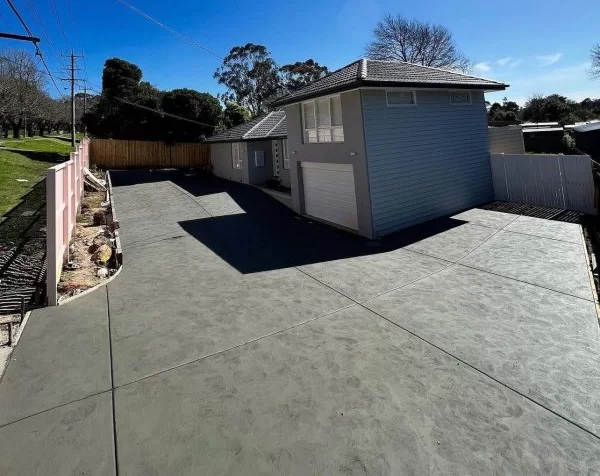
A driveway carries more responsibility than many homeowners realise. It must support vehicle weight, manage rainfall, tolerate foot traffic, and suit the property’s architectural character. Stipple finish concrete addresses these demands through a lightly textured surface that offers visual depth and practical traction. Its measured appearance works well with contemporary facades, established gardens, and mixed exterior materials. With sound construction and sensible maintenance, this paving choice can provide dependable access for years.
A Distinctive Surface
Fine texturing creates gentle variation across the slab, shifting subtly as daylight moves over the entrance. Homeowners seeking an attractive alternative to plain paving may consider Stipple Finish Concrete. This finish brings surface character without overpowering brickwork, rendered walls, timber details, or metal screens. Large areas appear less monotonous, while the overall effect remains restrained enough for modern residential design. That balance gives the driveway presence without making it the property’s dominant feature.
Improved Everyday Grip
Rain can make smooth paving feel uncertain beneath shoes or tyres. Small surface irregularities provide additional contact points, which may improve traction during ordinary household movement. However, texture alone cannot correct poor traction. A suitable gradient, stable sub-base, and clear runoff route remain necessary. Together, these construction details help limit standing water and support safer access between the street, garage, and front entrance.
Visual Depth Without Excess
Some driveway treatments rely on bold patterns or strong colour changes. Stippled concrete takes a quieter path, adding visual interest through fine marks rather than dramatic decoration. This approach allows planting, facade lines, and entry features to retain attention. The finish suits narrow driveways as well as broad vehicle areas. It can also connect older brick residences with newer additions, where a restrained surface helps different materials sit comfortably together.
Colour Options
Colour selection affects the relationship between paving and nearby surfaces. Cool grey can echo concrete walls or dark metalwork, while warmer beige and terracotta tones may relate to brick, sandstone, or timber. Pale shades generally reflect more sunlight, whereas deeper colours can create a stronger frame around a light facade. Samples should be reviewed outdoors because indoor lighting can alter perceived tone and intensity.
Borders and Layout
A defined edge gives the driveway greater visual order. Contrasting strips, exposed margins, or a secondary colour can separate parking bays from walking routes. Such divisions may also reduce the scale of a wide entrance. Planning should account for gates, garage openings, garden beds, drainage points, and vehicle turning paths. Accurate measurements before installation help avoid awkward cuts and poorly placed joints.
Suitable for Busy Homes
Residential paving often serves several functions within a single day. Cars cross it repeatedly, deliveries stop beside it, and family members use the route on foot. A stippled slab supplies a firm base for these activities while presenting a surface that can hide minor dust marks better than highly polished concrete. Sweeping removes leaves, grit, and soil before those materials become compacted into the texture.
Cleaning and Maintenance
Basic care can preserve both colour and surface condition. Regular sweeping prevents loose debris from settling into recessed markings. Spilled oil, food, or plant matter should receive prompt treatment, since porous materials can retain staining agents. Mild cleaners are usually safer than aggressive chemicals. Pressure equipment requires caution, too. Excessive force may remove the cement-rich upper layer or leave uneven patches across the finished area.
Installation Quality
Appearance begins beneath the visible surface. Soil assessment, compaction, reinforcement, slab thickness, and drainage each influence later performance. Control joints give the concrete planned locations for movement as curing progresses and temperatures change. Edge forms deserve equal care because unsupported borders may chip under repeated wheel loads. Experienced installers also monitor finishing and curing conditions, helping the surface reach its intended strength and texture.
Long-Term Value
A carefully planned driveway can improve street presence while limiting replacement costs over time. Stippled concrete offers a recognisable finish without demanding elaborate upkeep or ornate detailing. Its service life depends on construction choices, including ground preparation, water management, reinforcement, curing, and joint placement. Routine cleaning then protects the appearance. Considering these factors together gives homeowners a clearer basis for comparing paving materials and projected maintenance needs.
Conclusion
Stipple finish concrete appeals to modern homeowners because it combines measured texture, useful traction, colour flexibility, and dependable structural performance. The surface can soften a broad paved entrance while preserving a clean connection with the building and garden. Its outcome depends on more than decorative treatment. Drainage, preparation, curing, joint design, and regular cleaning all matter. When those elements receive proper attention, the driveway can remain safe, presentable, and suited to daily residential use.


Leave a Reply