
How to Make an Informed Decision When Buying from Caravan Dealers
Start with a Clear Buying Plan
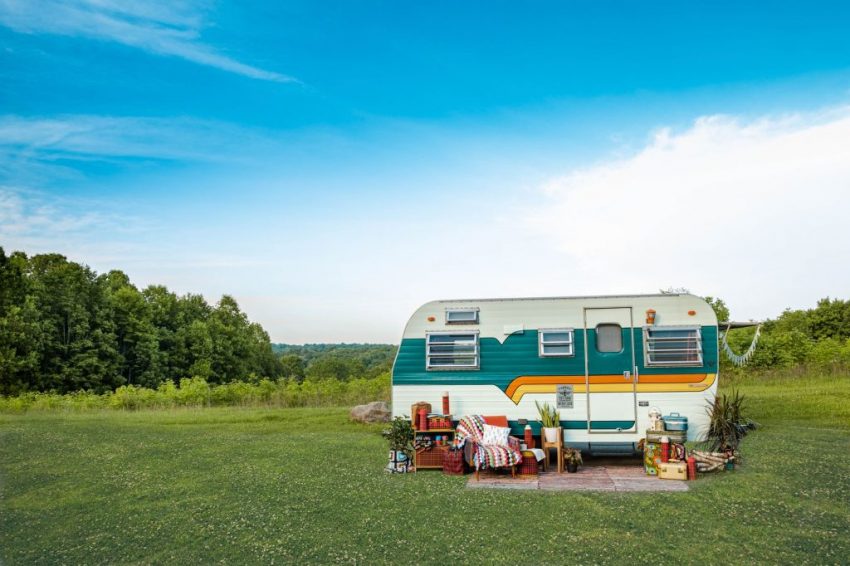
Buying a caravan requires more than choosing an attractive layout or appealing price. A sound decision begins with clear travel plans, passenger numbers, towing capacity, storage needs, and available funds. Buyers should list essential features before visiting showrooms. This approach creates a practical benchmark, helping each option receive fair consideration. A written plan also limits impulse choices, especially when polished interiors or limited-time offers create pressure.
Compare Dealers and Available Stock
A buyer comparing caravan dealers in Auckland should examine stock variety, listing detail, service options, and communication quality. Leisure Shed’s inspected website presents new and used caravans, including family layouts, semi off-road models, lightweight units, and higher-specification options. Listings show prices, sleeping capacity, tanks, solar systems, suspension, and finance notes. Such information gives shoppers a useful starting point before arranging an in-person inspection.
Calculate the Full Cost
The advertised price represents only one part of ownership. Buyers should add registration, insurance, servicing, tyres, towing equipment, storage, and possible repairs. Finance payments also require careful review, since interest and establishment charges affect the final amount. A lower purchase figure may lose its appeal after essential upgrades or neglected maintenance enter the calculation. Written estimates help households compare options using the same financial basis.
Match Size with Towing Ability
Every caravan must suit the tow vehicle, licence conditions, and driver experience. Buyers should check the trailer’s tare weight, maximum authorised mass, ball loading, and axle rating. The vehicle handbook should confirm acceptable towing limits. Larger units may provide extra beds and bathroom space, yet they can demand greater braking control and parking skill. A suitable match supports safer travel and reduces mechanical strain.
Inspect Structure and Water Protection
A careful inspection should cover the roof, walls, floor, windows, seals, doors, and storage compartments. Soft flooring, staining, unusual odours, or bubbling panels can indicate water entry. Buyers should inspect beneath mattresses, inside cupboards, around skylights, and below sinks. A qualified technician can provide moisture readings and chassis checks. This cost is small compared with repairing hidden structural damage after purchase.
Examine Equipment and Safety Systems
Appliances deserve the same attention as bodywork. Test the refrigerator, cooktop, heater, hot-water system, air conditioner, lights, pumps, and electrical outlets. Confirm that gas components, smoke alarms, fire extinguishers, brakes, tyres, and coupling equipment meet current requirements. Solar panels and batteries should receive capacity checks rather than visual approval. A working demonstration can reveal faults that photographs never show.
Verify Records and Ownership
Paperwork can clarify a caravan’s history and protect the buyer from avoidable disputes. Ask for service invoices, inspection certificates, registration details, manuals, warranty terms, and records of previous repairs. The vehicle identification number should match every document. Buyers should also confirm whether finance remains attached to the unit. A written sale agreement must record the price, included accessories, delivery date, and agreed repairs.
Assess Service after Purchase
A strong sales experience matters, but post-purchase support deserves equal attention. Buyers should ask who handles warranty claims, parts orders, repairs, and technical questions. Response times, workshop access, and service locations can affect ownership satisfaction. Reviews may reveal recurring patterns, although each comment requires balanced consideration. Clear answers indicate organised support, while vague promises deserve further questions before any deposit changes hands.
Take a Proper Road Test
A road test can expose issues hidden during a showroom visit. The towing vehicle should assess braking, sway, cornering, suspension noise, coupling movement, and reversing behaviour. Inside the unit, cupboard doors, drawers, windows, and fittings should remain secure during travel. Buyers can also test bed access, seating comfort, kitchen workflow, and bathroom space. Practical comfort often matters more than impressive brochure language.
Review Finance and Negotiation Terms
Finance offers require comparison beyond the weekly repayment. Buyers should request the interest rate, loan term, total payable amount, fees, deposit requirement, and early repayment conditions. Trade-in valuations need written detail, including any deductions for repairs or outstanding debt. Negotiations should focus on total value rather than a single discount. Accessories, servicing, delivery, and warranty coverage may provide greater benefit than a small price reduction.
Make the Decision with Evidence
A confident purchase rests on verified facts, practical testing, and costs that fit the household budget. Buyers should compare inspection notes, specifications, service records, finance terms, and dealer responses before signing. Any unanswered question deserves resolution in writing. A short pause can prevent expensive regret, while a clear checklist keeps attention on safety, suitability, and long-term value. Careful research turns an exciting purchase into a sensible travel investment.

Leave a Reply