
What Makes a Childcare Centre Feel Safe and Supportive
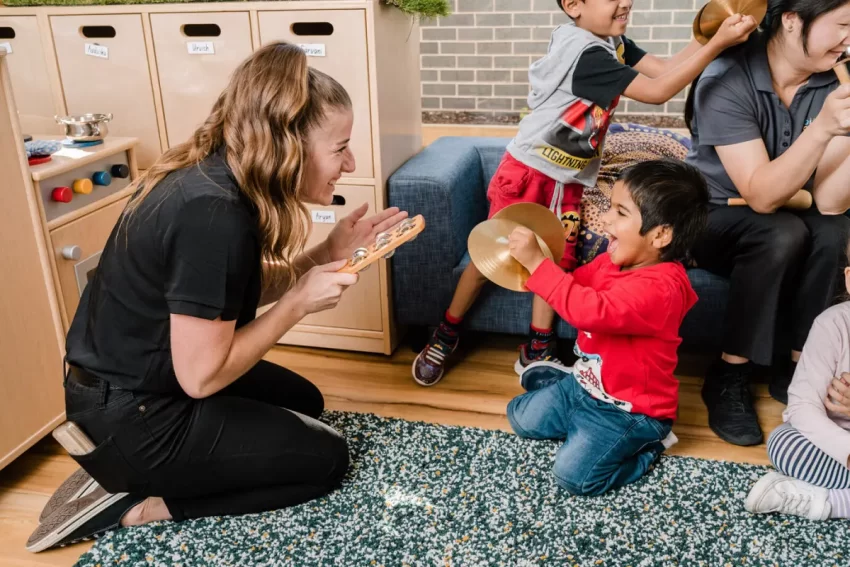
Safety in early learning is felt before it is measured. Children respond to tone, rhythm, lighting, noise, and the steadiness of adult care. Families notice the same signals, often within minutes of arrival. A supportive centre combines physical protection with emotional regulation, predictable routines, and respectful communication. When these elements work together, children settle faster, play with more freedom, and build the kind of trust that supports healthy development across the day.
Trusted First Impressions
First impressions often reveal whether daily care is thoughtful or rushed. During visits, families comparing Southbank childcare options may watch how educators welcome children, manage entry doors, and explain handover steps. Calm greetings, secure sign-in procedures, and attentive supervision suggest a centre treats safety as routine practice. These visible habits usually tell adults more than polished claims or decorative rooms of a centre can.
Secure Spaces
The physical setting affects stress levels from the first minute. Low shelves, protected corners, clear walkways, and locked storage reduce injury risk while keeping movement easy. Sightlines matter because educators must monitor play, meals, and rest without delay. Outdoor areas, shade, soft fall zones, and checked equipment support activity. When rooms are orderly and easy to read, children spend less energy scanning for uncertainty.
Consistent Routines
Young children regulate better when the day follows a reliable sequence. Arrival, snacks, group time, outdoor play, rest, and pickup should happen in patterns children can learn. Predictable transitions reduce cortisol spikes that often appear during sudden change. Songs, visual cues, and short warnings help prepare the body and mind. Familiar structure also shows families how the centre handles timing, movement, and care with steadiness.
Caring Educators
Relationships shape a child’s sense of security more than décor or equipment. Skilled educators notice posture, facial tension, voice changes, and withdrawal long before distress becomes obvious. Their responses should be calm, quick, and respectful. During conflict, children need guidance that protects dignity while setting clear limits. Knowledge of first-aid techniques also matters. Above all, everyday patience, measured language, and consistent warmth often reveal whether care is truly supportive.
Emotional Safety
Emotional safety means children can express discomfort without fear of ridicule or dismissal. Tears, frustration, excitement, and worry all need responses that lower arousal rather than increase it. Educators help by naming feelings, slowing the moment, and offering language for hard experiences. Boundaries still matter, but they should be clear and fair. Once children expect help instead of shame, recovery usually becomes faster and more complete.
Communication With Families
Families feel more settled when information is direct, regular, and easy to trust. Brief updates on meals, sleep, toileting, mood, and play give useful insights into a child’s regulation across the day. Honest communication also helps during developmental shifts or separation anxiety. Questions deserve precise answers, not vague reassurance. When adults share concerns early, small problems are more likely to be addressed before they harden into patterns.
Cleanliness and Health
Health practices strongly influence whether a centre feels safe in practical terms. Clean surfaces, fresh bedding, handwashing routines, and sensible exclusion policies reduce avoidable spread of common illness. Food preparation also needs strict attention, especially where allergies or intolerances are present. Families typically notice stale odours, overflowing bins, or poorly kept bathrooms. So, consistent hygiene sends a clear message that well-being is protected through daily discipline, not occasional effort.
Learning Through Play
Supportive care still requires strong learning experiences that match early childhood development. Through play, children practise language, coordination, planning, and social repair without pressure. Blocks strengthen spatial reasoning, art supports expression, and outdoor games build balance and body awareness. Educators add depth by observing closely and extending curiosity with timely questions. When learning feels safe, children take healthy risks that strengthen confidence and participation.
Inclusion and Belonging
Children settle more easily when their home life is treated with respect. Inclusive practice appears in books, songs, meals, routines, and communication that reflect varied family experiences without turning differences into display. Staff should also adjust support for temperament, language level, sensory needs, and developmental pace. Belonging grows when children receive repeated signals of acceptance. Once children feel recognised, the group becomes easier to trust and join.
Conclusion
A childcare centre feels safe and supportive when protection, emotional steadiness, and learning are present in equal measure. Clean environments, reliable routines, attentive educators, and open family communication all shape how children experience the day. Physical safeguards matter, yet secure attachment and respectful responses matter just as much. When these conditions remain consistent, children gain confidence, families feel reassured, and early learning becomes calmer, healthier, and more constructive.


Leave a Reply