
How Roof Restoration Extends the Life of Your Home
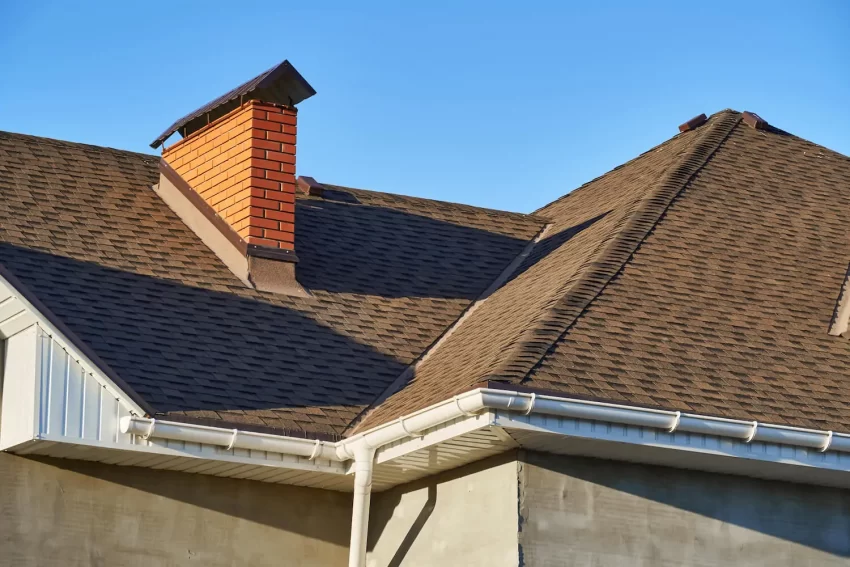
A roof takes constant exposure from sun, rain, wind, and debris while keeping indoor spaces dry and temperature swings manageable. Over the years, minor faults can turn into leaks, timber softening, insulation saturation, and higher power usage. Restoration is preventive care, focused on renewing worn surfaces and fixing weak junctions before water tracks inward. With routine checks and timely repairs, many homes avoid early replacement, limit avoidable damage, and preserve value longer.
Early Wear Signs Worth Taking Seriously
Small warning signs often show up first. Homeowners searching for Roof Restoration in Cranbourne are often trying to stop hairline faults from feeding mould growth, plaster staining, and timber decay. Faded finishes, lifted caps, cracked pointing, blocked valleys, and loose flashing can pull moisture under tiles or sheets. Rust streaks, granule loss, and stiff sealants also flag a thinner barrier.
Why Local Conditions Speed Up Deterioration
Local weather drives wear patterns. Strong ultraviolet exposure dries coatings and sealants, while daily temperature shifts strain joints and fasteners. Salt carried in the air can speed corrosion on metal runs and fixings. Leaf litter holds dampness in valleys and gutters, raising overflow risk at eaves. Restoration addresses these pressures by repairing junctions and renewing protective layers where breakdown has started.
What Restoration Usually Includes
Most restoration work combines several practical steps without full replacement. Typical tasks include thorough cleaning, targeted repairs, ridge cap re-bedding and re-pointing, swapping broken tiles, treating surface rust, and resealing penetrations. Where suitable, a coating is applied to improve water shedding and reduce heat absorption. The aim is a tighter system with fewer pathways for moisture and wind-driven rain.
Where the Anchor Work Fits in Home Protection
A roof is part of the home’s overall health system because water entry affects more than ceiling paint. Restored junctions reduce hidden seepage that can feed mould spores, irritate airways, and dampen insulation. Drainage also matters, since gutter overflow can soak fascia boards and eaves lining. A planned approach supports safer access, clearer budgets, and fewer storm-time surprises.
Leak Prevention Starts at the Weakest Points
Leaks usually start at details, not broad surfaces. Penetrations at vents, skylights, and chimneys are frequent entry routes, as are valleys and step flashing. Ridge lines can fail once mortar fractures or bedding loosens. Restoration concentrates on these zones, using compatible materials and clean detailing. Sealing likely entry paths gives the home a wider margin of safety.
Moisture Control Protects Structure and Air Quality
A damp roof cavity can affect framing strength, insulation performance, and indoor comfort. Wet insulation loses thermal resistance, which can increase heating or cooling demand. Ongoing humidity supports mould growth, which may trigger coughing, wheezing, or irritation in sensitive occupants. Restoration reduces water intrusion and improves drainage, helping roof spaces stay drier and less prone to hidden timber damage.
Energy Performance Benefits From Surface Renewal
Roof condition influences heat gain through the building envelope. Dark, worn surfaces absorb more warmth, while reflective coatings may reduce heat build-up during hotter months. Gaps and failed seals also allow unwanted air exchange that undermines insulation. Restoration tightens these weak areas and refreshes the exterior finish. Many households notice steadier room temperatures and less strain on energy use.
Cost Control Through Planned Maintenance
Replacement is sometimes necessary, yet many roofs can defer that expense when issues are treated early. Restoration directs spending towards problem areas rather than full reconstruction. It also lowers the chance of secondary costs, such as ceiling repairs, wiring damage, or flooring replacement after a leak. A recorded maintenance schedule supports better timing, clearer choices, and fewer high-stress emergencies.
Material Longevity and Warranty Considerations
Roofing materials age differently, so restoration needs to match the existing system. Tile roofs often require ridge work and selective replacement, while metal roofs benefit from rust treatment, fastener checks, and sealant renewal. Coatings and primers must suit the substrate to prevent peeling or trapped moisture. Households benefit when paperwork lists preparation steps, products used, and workmanship coverage.
Conclusion
Roof restoration extends a home’s service life by limiting water entry, restoring drainage flow, and renewing protective finishes before damage spreads. Drier roof spaces help insulation perform, support healthier indoor air, and reduce the risk of hidden timber deterioration. Best results usually follow a careful inspection, then staged repairs aligned with the roof material and local weather stresses. For many of us, that steady approach protects structure and comfort.


Leave a Reply