
Signs Your Roof Needs Professional Repair
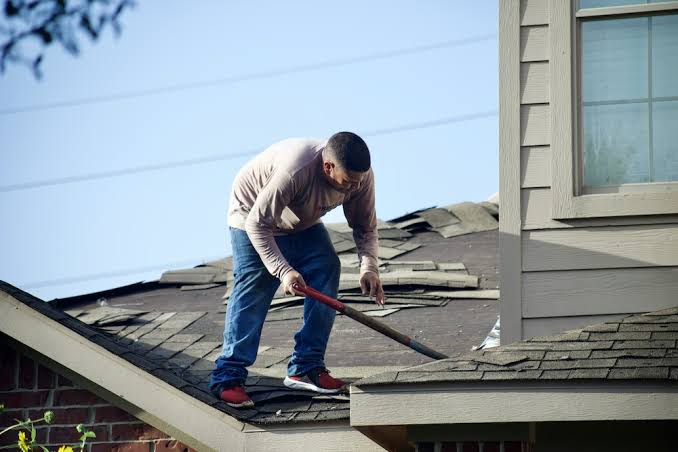
A roof shields a property from rainfall, heat, wind, and airborne debris. Damage may develop quietly, then affect ceilings, insulation, timber, and indoor air quality. Early detection lets homeowners address faults before moisture spreads through hidden spaces. A ground-level check can reveal obvious concerns, but roof access carries fall risks. Qualified inspection remains essential because surface symptoms may conceal failed seals, weakened supports, or deterioration beneath tiles and metal coverings.
Early Warning Signs
Roof problems often begin with changes that seem easy to dismiss. A few displaced tiles, ceiling stains, or musty odours may signal water entry, even before damage becomes obvious indoors. After severe rain or strong wind, property owners can arrange an inspection when considering roof repair in Cranbourne. An early assessment helps locate moisture, protect internal materials, and determine whether isolated work or broader restoration is needed.
Missing Or Broken Tiles
Clay or concrete tiles can crack, chip, or shift after storms, falling branches, and long-term weather exposure. Open gaps leave underlay vulnerable to rain and may create entry points for birds or insects. One damaged unit can also indicate stress across neighbouring sections. A qualified roofer can replace affected pieces, inspect adjoining areas, and check whether battens, membranes, or fasteners have suffered additional damage.
Water Marks Indoors
Brown ceiling patches commonly indicate leakage above the affected room. Peeling paint, swollen plaster, and damp insulation offer further evidence. Moisture may travel along rafters before becoming visible, so the stain may not sit directly beneath the entry point. Covering the mark won’t fix the cause. A specialist can trace the water path, repair the external fault, and assess mould or timber deterioration.
Damaged Flashing
Flashing seals vulnerable junctions around chimneys, skylights, vents, valleys, and adjoining walls. Corrosion, lifted edges, split sealant, or open joints can permit water beneath the covering. Repeated rainfall can gradually enlarge these gaps. Loose sections can also rattle during strong gusts. Correct repair involves removing failed material, preparing the surface, and fitting suitable flashing with secure, weatherproof seals.
Sagging Roof Lines
A sound roofline should remain straight and even. Dips, waves, or low sections may reflect saturated timber, damaged supports, poor drainage, or excessive loading. Structural movement deserves prompt assessment because weakened framing can fail during severe weather. Occupants should avoid unstable areas and not climb above them. A trained contractor can examine the framework, identify the source, and recommend work that restores structural stability.
Granules In Gutters
Asphalt shingles shed protective granules as their surface ages or sustains storm damage. Heavy deposits in gutters can indicate widespread wear, particularly when paired with curled edges or exposed backing. Bare patches leave the substrate more vulnerable to sunlight and rain. A professional assessment can establish whether selected shingles remain serviceable or whether extensive surface breakdown requires replacement. Gutter cleaning alone cannot restore damaged coverings.
Persistent Mould Or Dampness
Mould near ceilings, roof cavities, or upper walls often follows repeated moisture exposure. Musty odours may remain after a leak appears to stop. Inadequate ventilation can contribute by trapping humid air beneath the covering and encouraging condensation. Inspection should consider external defects, airflow, insulation, and indoor conditions. Removing the moisture source, drying affected materials, and correcting ventilation can reduce the chance of recurrence.
Rising Energy Bills
Unexpected heating or cooling costs may reflect wet insulation, ventilation faults, or openings around penetrations. Saturated insulation loses thermal performance, while gaps allow conditioned air to escape. Excessive heat in the roof space can increase demand on cooling equipment. Energy changes alone do not confirm roof failure. When combined with dampness or visible wear, they support arranging a detailed inspection.
Storm Damage
After hail, high winds, or falling branches, homeowners should inspect from the ground without entering unsafe areas. Dented metal sheets, lifted ridge caps, torn membranes, and exposed underlay may later permit leakage. Some faults remain invisible from below. Photographs can document conditions for insurance purposes, although permanent work should follow a qualified assessment. Temporary protection may limit exposure until the damaged section receives proper attention.
When Repair Cannot Wait
Active dripping, bulging ceilings, exposed framing, major sagging, or large uncovered sections require urgent professional assistance. Occupants should stay clear of affected rooms and move valuable belongings away from potential water paths. Climbing onto a damaged surface may worsen the defect or cause a fall. A contractor can assess immediate hazards, contain moisture, and establish the safest repair sequence. Delays may increase internal damage and restoration costs.
Conclusion
Roofs usually provide warning signs before serious failure occurs. Cracked tiles, indoor staining, defective flashing, uneven lines, mould, granule loss, and storm marks each deserve attention. Early assessment gives property owners a clearer view of damage, safety concerns, and likely repair needs. Ground-level observation helps, but accurate diagnosis requires a trained inspection. Prompt professional work can protect internal spaces, preserve structural materials, and reduce disruption during future rainfall.


Leave a Reply