
How Mechanically Polished Concrete Outperforms Standard Coatings
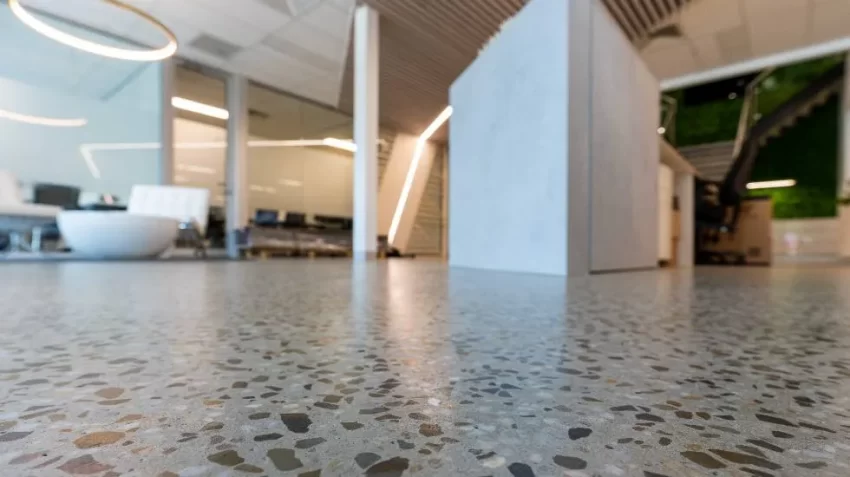
A concrete floor’s finish affects its appearance, but it also shapes the cleaning routine and repair options. Mechanically polished concrete has an advantage over many standard coatings because it refines the slab rather than applying a separate film. This distinction matters in busy spaces, where scuffs and worn coatings can interrupt floor use. Comparing the two finishes starts with the way each surface is made.
How The Surface Is Formed
Contractors use progressively finer abrasives to produce mechanical polished concrete. A densifier is typically applied during the process to refine the concrete slab itself. A standard coating, by contrast, forms a separate layer over prepared concrete. This difference affects how the floor wears under traffic and what maintenance is needed.
Grinding reveals the character of the existing slab. Cracks, patches and variations in the concrete remain visible in the finished floor, although contractors can repair some defects before polishing. The result depends on the slab’s condition before work begins.
Wear Without A Coating Film
Foot traffic and abrasive grit can wear both types of flooring. A coating film can scratch or wear through, and poor adhesion can cause it to peel. Repairing a failed coating involves preparing the affected area before applying a replacement layer.
A mechanically polished floor has no coating film to peel. The surface can still scratch, lose gloss or suffer damage under heavy use. Local polishing can address some worn areas, depending on the depth of damage and whether matching the surrounding finish is practical. A sample repair is useful before work begins in a prominent area.
Cleaning And Routine Upkeep
Loose grit becomes abrasive under shoes and equipment. Regular dust removal reduces surface contact, while a damp mop and a cleaner suited to polished concrete remove everyday dirt. Prompt spill removal matters because polished concrete is not automatically stainproof.
Coated floors also need regular cleaning, although maintenance depends on the coating used. Some coatings need periodic recoating when the film wears. Polished concrete can require professional maintenance, including repolishing along traffic paths. Building owners should compare the cleaning products, equipment and access time required for each finish.
Moisture And Chemical Exposure
Polishing does not make a concrete slab waterproof. Moisture moving through the concrete can affect its appearance and limit the suitability of surface treatments. An assessment before work begins helps identify damp areas and existing damage.
Chemical exposure also affects the choice of finish. Acids can etch polished concrete, while oils and coloured liquids can leave stains if they remain on the surface. A coating selected for a particular chemical exposure may suit a workshop or production area better. The choice should account for the substances used and the cleaning routine.
Appearance And Slip Considerations
Mechanical polishing exposes variations in the slab, including aggregate exposure and previous repairs. A sample area gives an owner a more reliable view of the finish than a photograph of another floor. Variation across an existing slab is normal, even after a sample has been prepared.
Gloss and aggregate exposure are separate choices. A higher sheen reflects more light, but it can also make scuffs and marks easier to see. Slip resistance depends on the surface condition, contaminants and footwear. Areas exposed to water need special attention when selecting a finish.
Compare The Full Floor Lifecycle
A useful comparison includes preparation and future upkeep as well as the initial finish. Contractors must remove existing coatings before polishing, and damaged concrete may need repairs. Both tasks affect the work involved and the time the space remains unavailable.
The scope for each option should state how the contractor will prepare the slab and address cracks. It should also identify the expected finish, cleaning method and approach to future repairs. A coating with suitable chemical resistance can outperform polished concrete in demanding conditions. In a dry, busy interior, the absence of a film can make polishing more practical.
Conclusion
Mechanically polished concrete is a practical choice where traffic wears coatings and the existing slab is suitable for polishing. It still needs regular cleaning, stain management and occasional attention to worn areas. Before committing, a building owner should arrange a slab assessment and request a sample in the intended finish. Comparing the sample with a coating specification makes the trade-offs easier to assess, particularly where moisture, chemicals or wet conditions affect daily use.


Leave a Reply