
How a Crowd Barrier Hire Service Keeps Events Safe and Organised
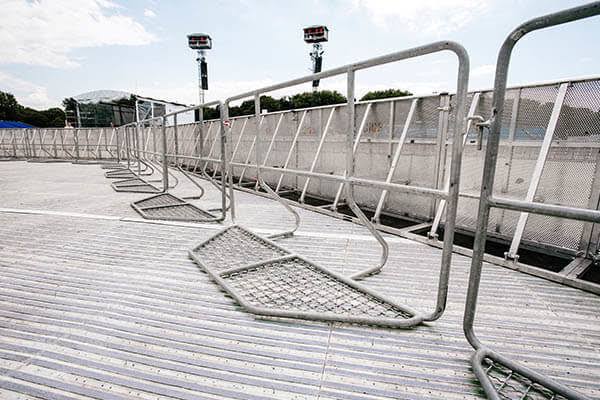
An event site works best when people can see where to enter, queue, watch, and leave. Poorly placed barriers create bottlenecks, block access routes, and make it harder for staff to respond when plans change. A crowd barrier hire service helps organisers map pedestrian movement, define restricted areas, and arrange equipment before gates open. Safe results depend on more than the barrier itself; the layout, installation and event team’s operating plan all need attention.
Barrier panels create visible boundaries that direct foot traffic without relying on signs alone. For event planners comparing hire options, crowd barrier hire services provide equipment suited to pedestrian control. The right quantity and placement still depend on the site plan. Hence, organisers should map entrances, queue lanes, service areas, and emergency routes before confirming an order.
Planning a Clear Route
A site plan should show how people move before, during, and after the event. Mark entrances, ticket checks, queues, viewing areas, staff access, and exits. This map helps organisers place barriers where they can effectively guide movement instead of adding them wherever space remains.
People need room to move forward in queue lanes without stepping into crossings or vehicle routes. Where the venue layout allows, separate entry and exit paths, and keep service access clear. A barrier line that narrows as people move forward can slow a queue and create pressure near the pinch point.
Installation and Access
Placement should follow the risk assessment and site conditions. Barriers must not obstruct emergency exits, accessible routes, fire equipment, or sightlines stewards need to deliver sound service. If the ground slopes or the surface changes, the installation plan should account for those conditions before delivery, not after attendees arrive.
An installation team can position lines, corners, and openings to match the agreed plan. The organiser should confirm two crucial things:
- Who approves the layout
- Who requests changes on site
If any adjustment is made, event organisers should check that the new route remains clear and does not direct people into a hazard.
Queues and Staff Movement
At entry points, barriers shape the queue and give staff a clear place to check tickets or answer questions. A separate waiting area prevents people who need assistance from blocking the main line. Signs should appear before decision points, so visitors know where to turn.
Stewards need access along the barrier line. Planned gaps let staff reach a queue, assist a visitor, or direct people during a change in the programme. Openings should be properly controlled, with a named person responsible for keeping each one clear.
Preparing the Site
Delivery, installation, and pack-down timing should fit the event schedule. Organisers need to confirm the following:
- When the site is available
- Which areas must stay open during setup
- When barriers can be removed
Early booking helps confirm availability during busy periods, while a site plan helps teams prepare.
Before opening, a supervisor should walk the route and inspect barrier connections, openings, and access points. Staff should know where restricted areas are located and how to report a shifted or damaged section. A final check catches layout problems while there is time to correct them.
During the Event
Conditions may change after gates open as queues build, weather shifts, or a programme runs late. The event lead should check whether barriers direct people to the correct entrance and keep emergency and accessible routes open. Stewards should report movement or damage promptly.
Where crowd numbers exceed the plan, staff should pause entry and use the contingency procedure. They should not move a barrier without checking the effect on queues and exits. After the event, a release reduces opposing flows as visitors leave, while the installation team can pack down when the area clears.
Confirming the Hire
Quote requests should state the event dates, site address, estimated barrier length, and layout. They should also identify ground conditions, access restrictions, and whether delivery, installation and removal are required. Event teams should consider the listed hire price for each option, as the final amount usually depends on length, hire duration, delivery, and installation.
Conclusion
Before confirming a hire, the organiser should compare the proposed layout with the event schedule and the site’s access plan. Confirm delivery and pack-down windows, identify who can approve on-site changes, and walk the route before gates open. That short review gives staff a clear plan for queues, restricted zones, and accessible movement. A measured layout and a named contact make barrier hire easier to manage when attendance or operating conditions change.

Leave a Reply