
When Do Mobile Cranes Make More Sense Than Fixed Lifting Equipment
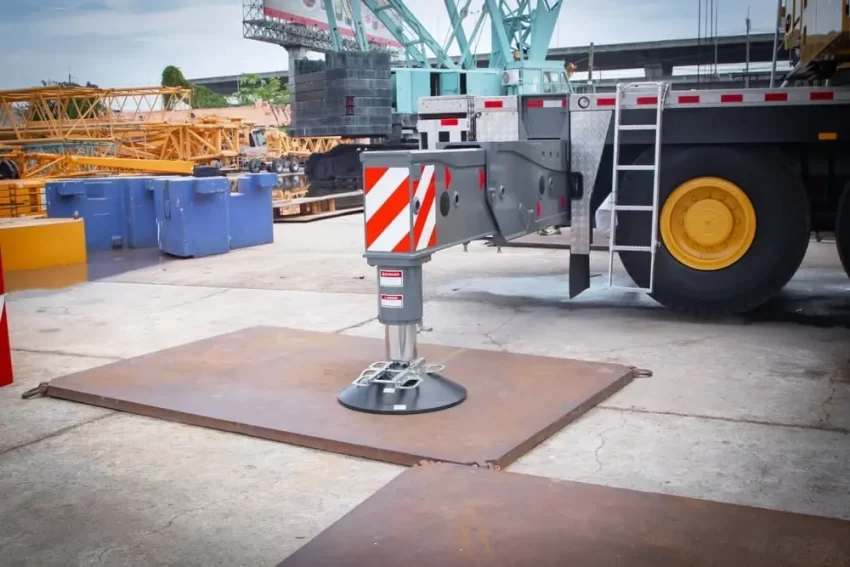
Melbourne projects do not always stay still long enough for fixed lifting equipment to make sense. A site may need one lift today, another in a different area next week, and a machinery move after that. In those cases, the best lifting option is often the one that can move with the project.
That is why mobile crane hire in Melbourne is worth considering when the job needs flexibility, reach, and lifting power without a permanent setup. Mobile cranes suit changing sites where access, timing, and lift points are not locked in one place.
Mobile Cranes Suit Short or Changing Lift Windows
Fixed lifting equipment can be useful on long projects where loads move repeatedly from the same point. But not every project works that way. Some jobs need a crane for one day, a few hours, or a specific stage of the build.
A mobile crane often makes more sense when the lift window is short and the setup needs to be efficient.
This can apply to:
- Roof plant installation
- Steel or precast placement
- Machinery relocation
- Maintenance work
- Commercial fit-out tasks
- Construction material lifts
- Roadside or yard-based lifting
The advantage is that the crane can arrive for the job, complete the lift, and leave. The site does not need to give up space for equipment that will sit unused between tasks.
This matters in Melbourne, where access can be tight and project sites often need every metre of working room. A fixed setup may block paths, storage areas, or trade movement. A mobile crane can support the lift without becoming a long-term obstacle.
Of course, the lift still needs careful planning. Short does not mean simple. The team must know the load, radius, access, ground condition, and timing before the crane arrives.
They Help When the Lift Point Keeps Moving
Some projects need lifting support across several parts of a site. A fixed crane may cover one area well, but not another. If the load needs to be moved across different zones, a mobile crane may offer better practical value.
This is common on large commercial sites, industrial yards, infrastructure projects, and machinery relocation jobs. One area may need equipment removed. Another may need new materials placed. A third may need a heavy item loaded onto transport.
Mobile cranes can support this kind of work because they can be repositioned as the job changes.
They are useful when:
- Lift points are spread across the site
- Work stages move from one area to another
- Loads vary in size and shape
- The site has several access points
- The job needs lifting and relocation support
- Fixed equipment would sit too far from the work
This flexibility can reduce the need for awkward handling. Instead of moving materials several times to suit the crane, the crane can often be brought closer to the task.
That said, repositioning still needs control. Each new setup point must be checked for ground support, clearance, exclusion zones, and safe access. A mobile crane is flexible, but it still needs stable working conditions every time it sets up.
The Right Mobile Crane Can Handle Tougher Site Conditions
Mobile cranes are not only useful because they move. Certain types, such as all-terrain cranes, can also handle more demanding access conditions than many fixed lifting setups. They can support projects where the ground is uneven, the lift is heavier, or the site is outside a neat urban footprint.
This does not mean they can work anywhere. It means they give teams more options when the site is less predictable.
Mobile cranes can also reduce pressure on project scheduling. If a lift only needs to happen at a certain stage, the crane can be booked for that moment instead of committing to equipment that stays longer than needed.
The key is honest planning. Mobile cranes are versatile, but they should still be chosen based on real site details, not convenience alone. The better the information shared early, the better the crane setup will match the job.
Conclusion
Mobile cranes make more sense than fixed lifting equipment when the project needs movement, short lift windows, flexible setup, or support across different parts of a site. They suit work that changes, spreads out, or does not justify a permanent lifting setup.
For Melbourne projects, that flexibility can be valuable. When the right crane is matched to the load, ground, timing, and access, mobile lifting becomes a practical way to keep work moving without taking over the whole site.


Leave a Reply