How Modern Air Conditioning Systems Support Sustainable Business Operations
Introduction
Modern air conditioning affects more than indoor comfort. It also influences energy use, operating costs, equipment life, and staff wellbeing. Businesses that select efficient units can reduce unnecessary power consumption while maintaining stable temperatures across offices, shops, warehouses, and public facilities. Smart controls, regular servicing, and suitable capacity each support better performance. Together, these measures help organisations meet practical environmental goals without compromising comfort, productivity, or reliable daily operations.
Assess Building Requirements
Every property has different cooling demands. Floor area, window exposure, occupancy levels, insulation, and equipment heat all affect system capacity. A correctly sized unit usually operates more efficiently than an oversized model that cycles repeatedly. Undersized equipment may run for long periods while struggling to reach the preferred temperature. A professional assessment can identify suitable output, placement, and zoning before installation begins.
Choose Efficient Equipment
Newer systems often use variable-speed compressors, which adjust output according to current demand. This approach can reduce electricity consumption during periods requiring less cooling. High-efficiency ratings also provide a useful comparison during procurement. Businesses should assess expected running costs, purchase price, service needs, and projected lifespan. A lower initial price may not deliver the best financial result if energy use remains high.
Select a Qualified Contractor
Choosing an experienced contractor helps businesses compare capacity, controls, maintenance needs, and projected running costs before making a purchase. For organisations seeking commercial air conditioning service in Auckland, local knowledge can support suitable equipment choices for office buildings, retail areas, workshops, and other facilities. A capable provider can also explain operating settings, service intervals, and replacement options in clear terms.
Use Smart Temperature Controls
Automated controls can match cooling output with occupancy and working hours. Timers may reduce operation before opening, after closing, or during quiet periods. Sensors can respond to room use, while remote monitoring may reveal unusual energy patterns. A central control platform can help facility teams review several areas from one location. These settings should remain practical, since extreme adjustments may affect comfort and equipment performance.
Create Separate Comfort Zones
Different areas often need different temperature settings. A server room, reception area, meeting room, and storage space rarely share identical cooling requirements. Zoning allows each section to receive suitable airflow without conditioning unused areas. This method can lower energy demand across larger premises. Doors, partitions, and occupancy patterns should guide zone planning. Proper airflow balance also helps prevent hot or cold spots.
Maintain Filters and Coils
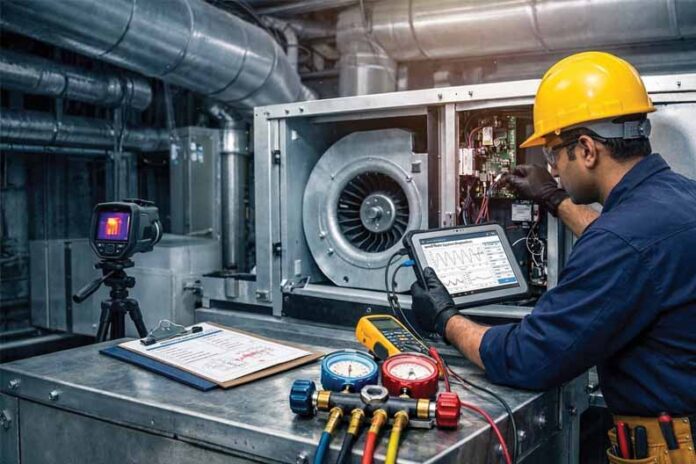
Dirty filters restrict airflow and force equipment to work harder. Dust on coils can also reduce heat transfer, leading to longer operating periods and higher power use. Regular cleaning supports airflow, temperature control, and indoor air quality. Service teams can inspect drains, electrical connections, fans, refrigerant levels, and control settings. Maintenance records give managers a clear history of faults, repairs, and recurring costs.
Reduce Peak Electricity Demand
Cooling demand often rises during warmer afternoons, when electricity networks face heavier loads. Programmable settings can begin cooling earlier at a lower intensity, reducing the need for sudden high output later. Window coverings, reflective films, and improved insulation may also limit heat entering the building. Businesses can review monthly energy data to identify costly periods and adjust operating schedules.
Support Staff Productivity
A stable indoor temperature can help employees remain comfortable during demanding tasks. Excessive heat may contribute to tiredness, reduced concentration, and complaints. Excessive cooling can create discomfort, especially for people seated near vents. Managers should collect feedback from different work areas before changing settings. Balanced airflow, clean filters, and suitable humidity levels can support a healthier workplace without excessive energy use.
Extend Equipment Service Life
Efficient operation depends on more than the unit’s initial rating. Correct installation, sensible settings, and scheduled inspections can reduce strain on compressors, fans, and electrical components. Early fault detection may prevent minor issues from becoming expensive breakdowns. Replacement planning also helps businesses avoid emergency purchases. Reviewing performance each year allows facility managers to identify declining output before comfort or budgets suffer.
Measure Results Regularly
Useful performance measures include electricity consumption, maintenance spending, indoor temperature complaints, and unplanned repairs. Comparing these figures before and after an upgrade can show whether expected benefits have occurred. Smart meters and control reports may provide more detailed information. Managers should record changes in occupancy, trading hours, and weather, since these factors influence cooling demand. Clear records support better future investment decisions.
Conclusion
Sustainable cooling begins with accurate sizing, suitable equipment, and informed daily control. Businesses can strengthen results by using separate zones, maintaining filters, reviewing energy data, and scheduling timely repairs. These actions help limit waste while protecting comfort and operational reliability. A well-managed system can also reduce long-term costs and extend equipment life. When facility teams combine efficient technology with consistent oversight, responsible cooling becomes a practical part of business planning.

Leave a Reply